 By
By 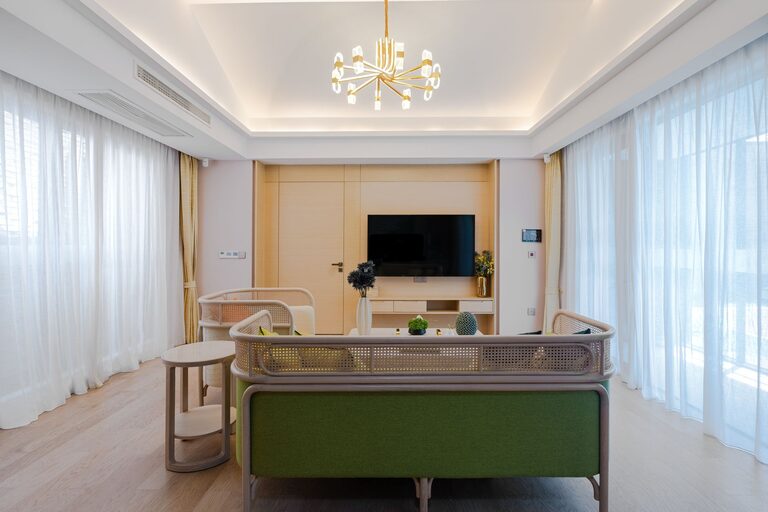
When a room feels dark and gloomy, it can affect your mood and the overall vibe of your home. Luckily, brightening a dark room doesn’t require a major renovation or expensive upgrades. With a few quick ideas and smart changes, you can transform any dim space into a cheerful, inviting environment. In this post, we’ll explore simple and practical methods to add light, color, and energy to your dark room, no matter its size or layout.
Why Do Some Rooms Feel Dark?
Before diving into solutions, it’s helpful to understand common reasons why a room may feel dark:
– Limited natural light: Small or shaded windows restrict sunlight.
– Heavy window treatments: Dark curtains or blinds can block light.
– Dull or dark wall colors: Deep shades absorb light instead of reflecting it.
– Overcrowded spaces: Too much furniture and clutter can make a room feel cramped and shadowy.
– Poor artificial lighting: Using only one light source or low-wattage bulbs leads to uneven illumination.
Addressing these issues with a few changes can improve brightness and help you enjoy your space more.
1. Maximize Natural Light
Natural light is the easiest and most beautiful way to brighten a room. Try these ideas:
Open Up Windows
– Remove heavy drapes: Swap out dark, thick curtains for sheer, light-colored ones that let sunshine through.
– Clean your windows: Dust and grime reduce the amount of light entering a room, so keep windows clean inside and out.
– Keep windows clear: Avoid blocking windows with furniture or decor.
Add Mirrors
Mirrors reflect and multiply natural light, making a room feel larger and brighter.
– Place a large mirror opposite a window: This reflects sunlight deeper into the room.
– Use multiple small mirrors: Create an artful gallery wall that bounces light around.
2. Choose Light, Reflective Colors
Color choice significantly impacts a room’s brightness.
– Paint walls light colors: Whites, creams, pastel shades, and light grays reflect more light than dark colors.
– Use gloss or satin finishes: These finishes reflect more light than matte paint.
– Light-colored flooring and furniture: Pale woods, white rugs, and light upholstery brighten the space.
If you don’t want to repaint, consider these options:
– Add light-colored throws and pillows: They visually lift the space.
– Use bright artwork: Choose paintings or prints that feature whites and vivid colors.
3. Upgrade Artificial Lighting
Good lighting layers create a warm and inviting ambiance.
Layer Your Lighting
– Ambient lighting: Ceiling fixtures or overhead lights provide general illumination.
– Task lighting: Table lamps, floor lamps, or under-cabinet lights brighten specific areas for reading or work.
– Accent lighting: Spotlights or wall sconces highlight artwork or architectural features.
Choose Bright, Warm Bulbs
– Use LED bulbs with a color temperature around 2700K to 3000K for soft yet bright light.
– Select higher lumen bulbs to increase brightness without harshness.
Reflect Light with Fixtures
– Opt for lampshades that are white or translucent.
– Choose fixtures with reflective surfaces like chrome or glass.
4. Declutter and Rearrange
Cluttered spaces can block light and make a room feel smaller.
– Clear surfaces: Keep tables and shelves tidy.
– Choose smaller furniture: Large, bulky pieces can overshadow a room.
– Rearrange to open pathways: Allow light to move freely through the space.
5. Add Bright and Glossy Accessories
Small touches can have a big impact on brightness.
– Use metallic or glass decor: Items like vases, picture frames, or bowls reflect light.
– Incorporate plants: Greenery adds freshness and can brighten your mood.
– Choose light-colored textiles: Rugs, cushions, and curtains in white or pastel tones lift the room’s look.
6. Consider Window Treatments Wisely
Curtains and blinds can enhance or hinder brightness.
– Select light fabrics: Linen or cotton in soft colors keep light flowing.
– Use adjustable blinds: Venetian or roller blinds allow you to control light levels.
– Hang curtains high: Installing rods closer to the ceiling makes windows appear larger and draws in more light.
7. Paint the Ceiling White
Ceilings are often overlooked but play a vital role in spreading light.
– A bright white ceiling reflects light downward and opens up the room.
– Avoid dark ceilings that absorb light and create a boxed-in feel.
Final Thoughts
Brightening a dark room is all about maximizing light—natural and artificial—and balancing it with reflective surfaces and light colors. Even small changes like switching to sheer curtains or adding a floor lamp can make a big difference. By combining multiple strategies, you can create a welcoming, lively space that you’ll enjoy day and night.
Try these ideas in your next room refresh and see how easily you can brighten up your home!