 By
By 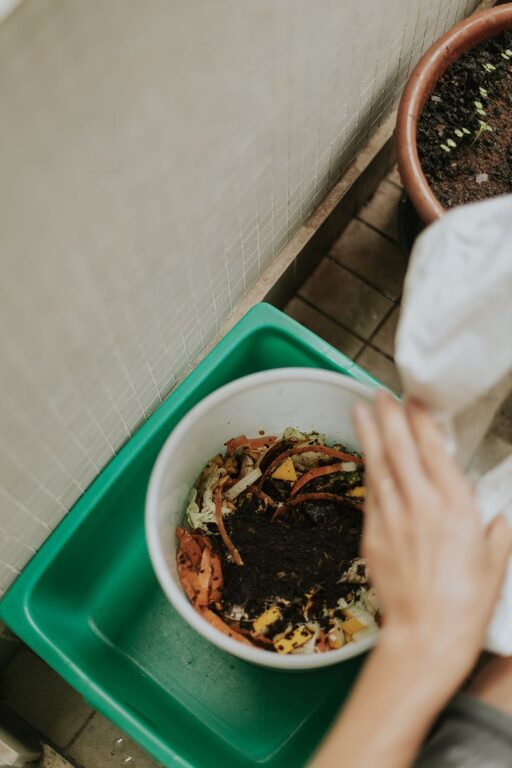
Composting at home is a fantastic way to reduce waste, enrich your garden soil, and contribute positively to the environment. If you’ve been thinking about starting but aren’t sure where to begin, this guide will walk you through the basics, with helpful tips to make composting simple and fun.
What is Composting?
Composting is the natural process of recycling organic matter, such as food scraps and yard waste, into a valuable soil amendment known as compost. This rich, dark material boosts plant growth by improving soil structure, moisture retention, and nutrient content.
Why Compost at Home?
– Reduce Waste: Diverting food scraps and yard debris from the landfill reduces greenhouse gas emissions.
– Save Money: Homemade compost reduces the need for chemical fertilizers and soil conditioners.
– Improve Garden Health: Compost promotes healthy root systems and reduces plant diseases.
– Support Sustainability: Composting closes the nutrient loop and supports eco-friendly living.
Getting Started: Choosing Your Composting Method
There are several methods to compost at home. Choosing the right one depends on your space, time, and preferences.
Traditional Outdoor Compost Bin
Ideal for those with a backyard, a compost bin keeps materials contained and speeds up decomposition. Common types include:
– Plastic bins with lids
– Wire mesh bins
– Wooden composters
Compost Pile
A simple pile in your yard can work if you have ample space and patience. This method requires occasional turning.
Worm Composting (Vermicomposting)
Using worms to break down food scraps is a great indoor option. Worm bins are compact and odor-free, perfect for apartments or small homes.
Bokashi Composting
This anaerobic fermentation method uses a special bran to ferment kitchen scraps quickly. It’s a good choice if you want to compost meat or dairy, which are usually avoided in traditional composting.
What Can You Compost?
Green Materials (Nitrogen-rich)
– Fruit and vegetable scraps
– Coffee grounds and filters
– Tea bags (without staples)
– Fresh grass clippings
– Plant trimmings
Brown Materials (Carbon-rich)
– Dry leaves
– Straw or hay
– Shredded paper or cardboard
– Sawdust (untreated wood)
– Pine needles
Items to Avoid
– Meat, bones, and fish scraps (unless using Bokashi or worm composting carefully)
– Dairy products
– Oils and fats
– Diseased plants
– Pet waste
Steps to Start Composting at Home
- **Choose a Composting Location**
Pick a dry, shady spot easy to access.
- **Set Up Your Bin or Start a Pile**
Use or create a container that allows airflow and keeps pests out.
- **Add Materials in Layers**
Start with a layer of coarse brown materials like twigs or straw to aid drainage. Then alternate layers of greens and browns.
- **Maintain Moisture**
Compost should be as damp as a wrung-out sponge. Water occasionally if it’s too dry.
- **Turn the Pile Regularly**
Mixing the compost every 1-2 weeks speeds up decomposition and prevents odors.
- **Be Patient**
Depending on conditions, compost can take 2-6 months to mature.
Tips for Successful Composting
– Chop or Shred Materials
Smaller pieces break down faster.
– Balance Greens and Browns
Aim for about 2–3 parts brown to 1 part green by volume.
– Avoid Overloading
Don’t add too much fresh green matter at once; it can cause odor issues.
– Keep It Aerated
Oxygen is crucial for the microbes breaking down the material.
– Monitor Temperature
Active compost often heats up, which helps kill seeds and pathogens.
– Use Finished Compost Wisely
Once dark and crumbly with an earthy smell, it’s ready to nourish your plants.
Common Challenges and Solutions
– Bad Smell: Usually caused by too much green material or poor aeration. Turn the pile and add more browns.
– Pile Too Dry: Water lightly to maintain moisture.
– Pests: Use a closed bin and don’t add meat or oily foods.
– Slow Decomposition: Chop materials smaller and turn more often to add oxygen.
Using Your Compost
Finished compost can be used in many ways:
– Mix it into garden beds to enrich soil.
– Use as mulch around trees and shrubs.
– Add to potting mix for container plants.
– Topdress lawns for a natural fertilizer boost.
Final Thoughts
Composting is a rewarding practice that benefits your garden and the environment. Starting simple and learning as you go will make the process enjoyable and effective. Whether you have a large backyard or just a small kitchen space, there’s a composting method that will fit your needs. Give it a try and watch how your waste transforms into garden gold!
Happy composting!